Does Green Tea Extract Actually Boost Metabolism?

VitaGlobe Editorial Team
Independent research desk — evidence reviewed against peer-reviewed sources
Can a Green Tea Pill Really Speed Up Your Metabolism?
It’s the friendly face of the fat-burner aisle — natural, familiar, and backed by actual “studies.” There genuinely is an effect here, which is more than most of its shelf-mates can say. The catch is the size of that effect, and how quickly plain diet and exercise dwarf it.
Quick answer: Yes — but only a little. Green tea catechins (especially EGCG) combined with caffeine can slightly increase energy expenditure and fat oxidation. Meta-analyses put the effect on body weight at small, and heavily dependent on diet and exercise. Green tea extract is a mild helper, not a fat-loss solution.
How green tea is supposed to work
Green tea contains a group of antioxidants called catechins, the most active of which is epigallocatechin gallate (EGCG). EGCG appears to slow the breakdown of norepinephrine, a signalling molecule that promotes thermogenesis (heat production) and fat breakdown. Caffeine works along the same pathway and adds to the effect. Together they can produce a small, genuinely measurable rise in the calories your body burns at rest.
The key word is small. “Boosts your metabolism” is technically true and practically minor — the increase is real in a lab, but modest against the backdrop of a day’s total energy use.
What the research actually shows
A well-known meta-analysis of catechin-plus-caffeine mixtures found a small but statistically significant effect on weight loss and weight maintenance — on the order of roughly a kilogram or so on average across studies, not a transformation. Two details from those trials are easy to miss and change how you should read the headline:
The caffeine factor
A large share of green tea extract’s short-term “energy” and appetite-suppressing feel is simply the caffeine. That matters for two reasons. First, if you already drink a lot of coffee, adding more caffeine has diminishing returns and can cost you sleep, calm and a steady heart rate. Second, products that stack green tea with coffee, guarana or other caffeine sources can add up to a surprisingly large dose — read the label and total it up. Our guide on whether fat burners work covers this pattern across the whole category.
Safety: the one real caution
Brewed green tea is very safe — drink it freely. The caution is specific to high-dose concentrated EGCG extracts, which in rare cases have been linked to liver problems, particularly when taken on a completely empty stomach. The sensible rules: stick to reasonable doses, do not take concentrated extracts fasted, and stop if you notice symptoms like unusual fatigue, nausea or dark urine. People who are pregnant, caffeine-sensitive, or who have liver or heart conditions should check with a doctor before using a concentrated extract.
Realistic expectations
Green tea extract may give a modest metabolic nudge and support an existing healthy routine — that is the honest ceiling, and it will not override a calorie surplus. If your goal is fat loss, the extract is a rounding error next to the things that actually move the needle: overall diet, protein intake, movement, and sleep. Treat it as a small tailwind, not the engine.
Bottom line
Green tea extract has a real, well-documented mechanism — EGCG plus caffeine slightly raise energy expenditure — but the real-world effect on weight is small and depends entirely on the diet and activity around it. Enjoy brewed green tea freely; be more careful with high-dose EGCG extracts and total caffeine. As a mild helper on top of the basics it is reasonable; as a fat-loss solution it is oversold. This is general information, not medical advice.
Frequently Asked Questions
How much does green tea extract boost metabolism?
The effect is small. Studies show catechins plus caffeine can slightly raise calorie burning and produce modest weight effects — roughly a kilogram on average across trials — and only alongside diet and exercise.
Is it the caffeine or the catechins that work?
Both, and they work together. Caffeine drives much of the short-term energy and thermogenic effect, while EGCG appears to extend it. Habitual heavy caffeine users tend to see smaller benefits.
Can green tea extract cause weight loss on its own?
No. It may give a modest nudge but cannot override a calorie surplus. Diet and activity remain the main drivers of weight change.
Is green tea extract safe?
Brewed green tea is very safe. High-dose concentrated EGCG extracts have rarely been linked to liver problems, so use sensible doses, avoid taking them on an empty stomach, and consult a doctor if you are pregnant, caffeine-sensitive, or have a liver or heart condition.
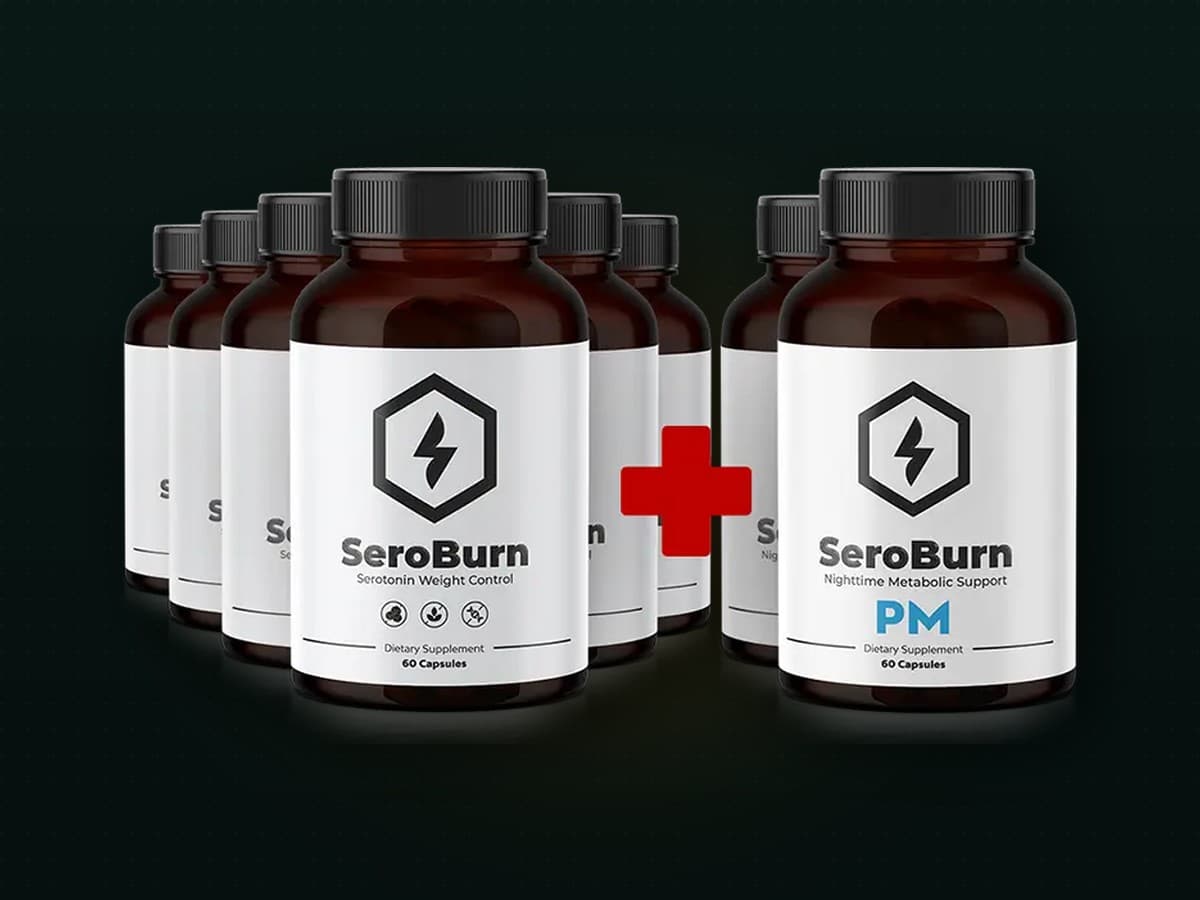
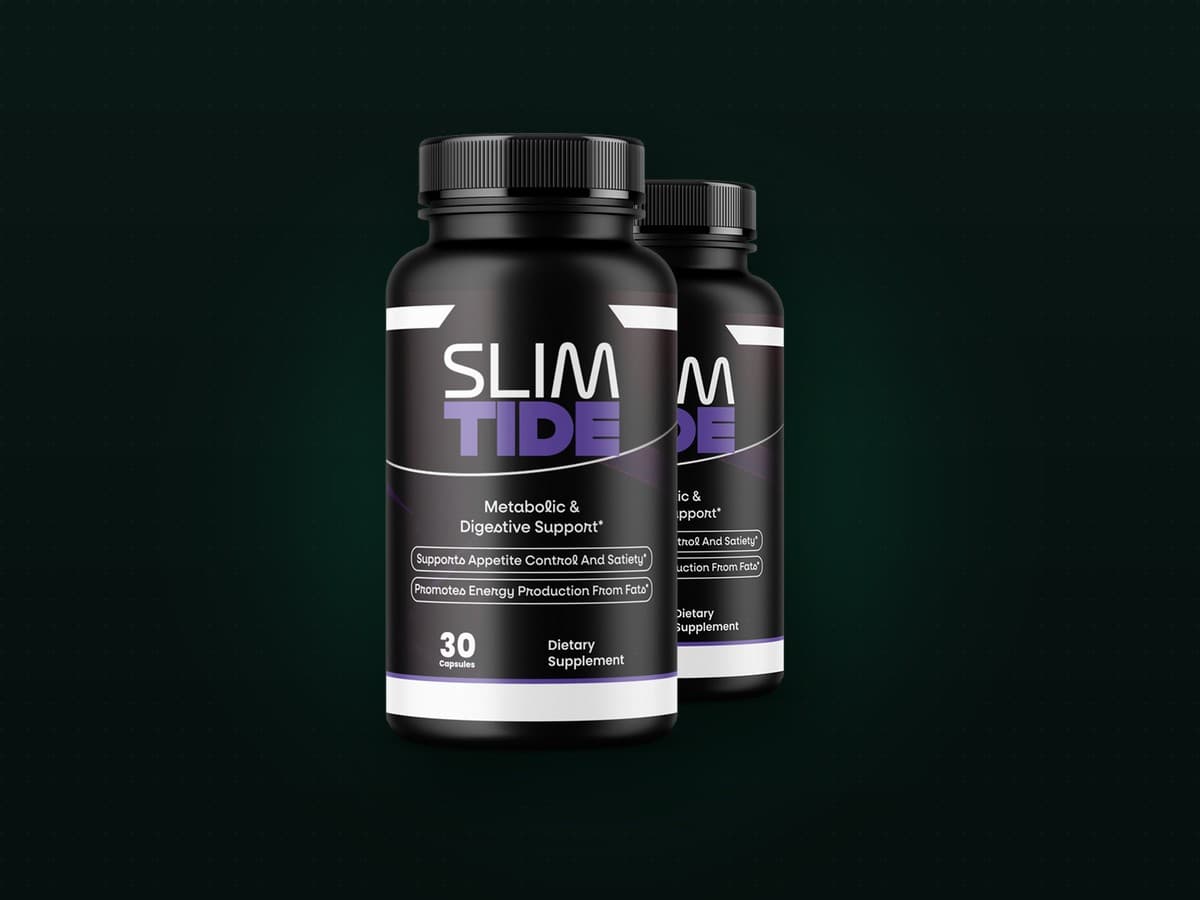
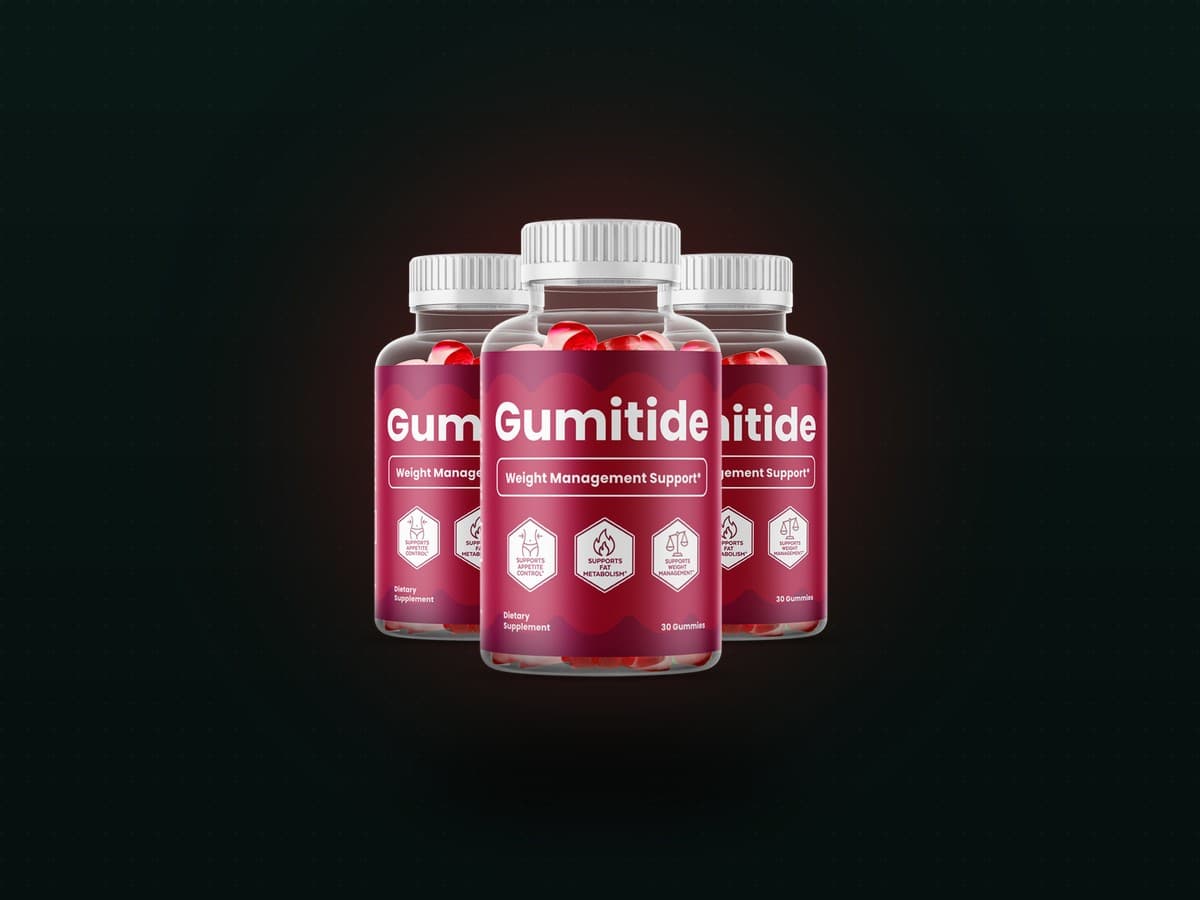
Supplements we've reviewed on this topic
Thinking about a product? Read our honest, evidence-based breakdown before you buy.

VitaGlobe Editorial Team
Independent research desk — evidence reviewed against peer-reviewed sources
The VitaGlobe editorial team researches supplements against published, peer-reviewed evidence. We use indicative language, cite real findings, and flag where evidence is weak. This is general information, not medical advice.